
IYARINA
Napo-Pastaza, Ecuador
CENTER FOR LEARNING ALLIANCE: Fundación Cotococha | Andes and Amazon Field School | Shayarina Amazonian Resilience

In beginning times plants like animals were human and still retain these qualities hidden in leafy form. They are thus no less animate, no less closely related to us than say a spider monkey might be. One reason that we don't notice this is that their sleep cycle is opposite our own. Trees and other plants sleep during the day and come awake at night when we are dreaming. It is for this reason that they appear active and humanlike in dreams. For example, when sick person ingests medicinal bark it triggers a healing relation to the tree that only becomes visible at night. That night, when the tree wakes up, it comes to the patient in a dream as a human doctor come to treat her ailment.

Allyan Pasu
.jpeg)
Chunda
.jpeg)
Manduru

Kwica Panga
Plants Finder

Kutu chupa
Phlebodium decumanum
Polypodiaceae

Heliconia sp.
Heliconiaceae

Puma tawacu
Cybianthus anthuriophyllus
Primulaceae

Maki Panga
Selaginella arthritica
Selaginellaceae

Ctenanthe setosa
Marantaceae
Garabatu yuyu
Hypolepis hostilis
Dennstaedtiaceae

Goeppertia sp.
Marantaceae

Sacha puji panga
Sacha puji panga
Marantaceae

Heliconia sp.
Heliconiaceae

Rumi panga
Rumi panga
Marantaceae

Xanthosoma weeksii
Araceae

Goeppertia sp.
Marantaceae

Philodendron sp.
Araceae

Philodendron ernestii
Araceae
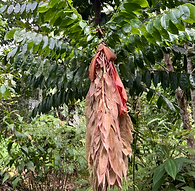
Brownea-grandiceps
Fabaceae

Indillama mandi
Indillama Mandi
Marantaceae

Ñakcha panga
Ñakcha panga
Marantaceae

Dieffenbachia seguine
Araceae

Goeppertia sp.
Marantaceae

Rayu panga
Marantaceae
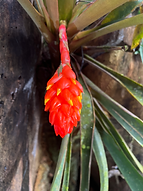
Bromeliaceae sp.
Bromeliaceae

Rayu kuwan
Heliconiaceae

Neea sp
Nyctaginaceae

Dieffenbachia sp.
Araceae
Kari panga
Marantaceae

Apangora kiwa
Selaginella bombycina
Selaginellaceae

Campanulaceae

Dieffenbachia sp.
Araceae

Aphelandra sp.
Acanthaceae
Aphelandra dielsii
Acanthaceae

Goeppertia zebrina
Marantaceae

Aphelandra sp.
Acanthaceae

Goeppertia sp.
Marantaceae

Wangana lalu
Dieffenbachia sp.
Araceae

Bromeliaceae sp.
Bromeliaceae

Costus sp.
Zingiberaceae

Selaginella diffusa
Selaginellaceae

Puma rinri panga
Goeppertia vetichiana
Marantaceae
Anthurium bomboizense
Araceae
Maranta leuconeura
Marantaceae

Achanzu
Caryodendron orinocense
Euphorbiaceae

Ahuano
Swietenia macrophylla
Meliaceae

Ajus ala

Ali pasu
Eschweilera sp.
Lecythidaceae

Ally putus
Ceiba lupuna
Malvaceae

Allyan sasu
Gustavia longifolia
Lecythidaceae

Amarun kaspi
Cespedesia spathulata
Ochnaceae

Anguila panga
Anthurium loretense
Araceae

Araza
Eugenia stipitata
Myrtaceae

Araña kaspi
Cordia nodosa
Boraginaceae

Armallu shia
Piper sp.
Piperaceae
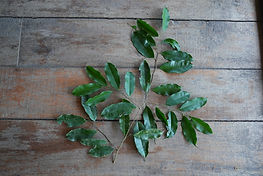
Chincha , Chis ruya
Clarisia racemosa
Moraceae

Auro muyu
Spondias mombin
Anacardiaceae

Aya ullu
Phallus indusiatus
Fungii (Phallaceae)

Aya ñavi muyu
Eugenia ruizii
Myrtaceae

Ayahuasca
Banisteriopsis caapi
Malpighiaceae

Kilpundu Sisa, Baita Panga
Pearcea rhodotricha
Gesneriaceae

Balsa ala

Barisa akay
Inga sp.
Fabaceae

Batea kaspi
Guarea juglandiformis
Meliaceae

Batea yura
Cabralea canjerana
Meliaceae

Bula panga wapa
Virola calophylla
Myristicaceae

Buti muyu
Physalis pubescens
Solanaceae

Cacao
Theobroma cacao
Malvaceae

Kachi pakay
Inga nobilis
Fabaceae

Cancer panga
Piper sp.
Piperaceae
Canoa wasca

Carapoto
Iriartea deltoidea
Arecaceae

Cedro yura
Cedrela odorata
Meliaceae

Cedro yura
Cedrela fissilis
Meliaceae