
IYARINA
Napo-Pastaza, Ecuador
CENTER FOR LEARNING ALLIANCE: Fundación Cotococha | Andes and Amazon Field School | Shayarina Amazonian Resilience

In beginning times plants like animals were human and still retain these qualities hidden in leafy form. They are thus no less animate, no less closely related to us than say a spider monkey might be. One reason that we don't notice this is that their sleep cycle is opposite our own. Trees and other plants sleep during the day and come awake at night when we are dreaming. It is for this reason that they appear active and humanlike in dreams. For example, when sick person ingests medicinal bark it triggers a healing relation to the tree that only becomes visible at night. That night, when the tree wakes up, it comes to the patient in a dream as a human doctor come to treat her ailment.

Allyan Pasu
.jpeg)
Chunda
.jpeg)
Manduru

Kwica Panga
Plants Finder

Papanku
Cyclanthus bipartitus
Cyclanthaceae

Papaya chini
Urera laciniata
Urticaceae

Pasu
Gustavia macarenensis
Lecythidaceae

Piwi
Piptocoma discolor
Asteraceae

Pilche Yura
Crescentia cujete
Bignoniaceae

Piluri ruya, Ila Yura
Ficus sp.
Moraceae

Ila yura
Ficus sp.
Moraceae

Pindu
Gynerium sagittatum
Poaceae

Pishku Ila
Symphonia globulifera
Clusiaceae

Piton
Grias neuberthii
Lecythidaceae

Ponce yura
Alchornea guianensis
Euphorbiaceae

Puka panga aviu
Lecythidaceae

Puma kaspi, Acero kaspi
Hieronyma alchorneoides
Phyllanthaceae

Puma yuyu
Cybianthus kayapii
Primulaceae

Pungara
Garcinia macrophylla
Clusiaceae

Putus panga
Miconia octona
Melastomataceae

Punzhana Rinri Ala

Punzhana Ullu

Putus yura
Ceiba samauma
Malvaceae

Puñuy panga
Mimosa pudica
Fabaceae
Queñal
Polylepis sp.
Rosaceae
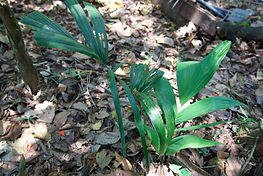
Ramos
Astrocaryum murumuru
Arecaceae

Rayu pakay
Inga sp.
Fabaceae

Rayu sisa, Bandera caspi
Warszewiczia coccinea
Rubiaceae

Sacha ajo
Mansoa standleyi
Bignoniaceae

Sacha Pacay 1
Inga microcoma
Fabaceae

Sacha Pacay 10
Inga sp.
Fabaceae

Sacha Pacay 2
Inga punctata
Fabaceae

Sacha Pacay 4
Inga sp.
Fabaceae

Sacha Pacay 5
Inga sp.
Fabaceae

Sacha Pacay 8
Inga sp.
Fabaceae

Sacha Pacay 9
Inga sp.
Fabaceae

Sacha Pacay 6
Inga sp.
Fabaceae

Sacha Pacay 7
Inga sp.
Fabaceae

Sacha paparahua
Clarisia biflora
Moraceae

Sacha ajo
Mansoa alliacea
Bignoniaceae

Sacha cebolla
Eucharis ulei
Amaryllidaceae

Sacha pacai 3
Inga cayennensis
Fabaceae

Sacha tikaso
Plukenetia volubilis
Euphorbiaceae

Sacha uvillas
Pourouma cecropiifolia
Urticaceae
Sacha wanduk

Sacha wituk
Faramea sp.
Rubiaceae

Samay ala

Samuna yura
Ceiba pentandra
Malvaceae

Sani yura
Casearia obovalis
Salicaceae
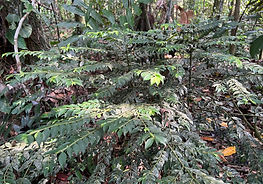
Sapara palanda
Faramea uniflora
Rubiaceae

Sapi ambi, Sapi barbascu
Lonchocarpus nicou
Fabaceae

Sara
Zea mays
Poaceae

Sarsaparilla
Smilax febrifuga
Smilacaceae

Shalipu
Trema micrantha
Ulmaceae

Shibu
Bactris maraja
Arecaceae

Shiguango
Renealmia breviscapa
Zingiberaceae

Shiringa
Hevea brasiliensis
Euphorbiaceae

Shirkillu / Copal
Protium amazonicum
Burseraceae

Shiwa
Oenocarpus bataua
Arecaceae

Sikuanga kallu
Philodendron sp.
Araceae

Sikuanga shungu ala
Collybia aurea
Tricholomataceae

Simayuca yura
Acalypha diversifolia
Euphorbiaceae

Suni panga wapa
Virola elongata
Myristicaceae

Supay chunda
Desmoncus giganteus
Arecaceae

Suru panga
Pariana radiciflora
Poaceae

Sindi yura
Prunus debilis
Rosaceae

Taka ala

Llausa Tulan
Heliconia rostrata
Heliconiaceae

Taku Shibu
Bactris acanthocarpa
Arecaceae

Tamburu
Vochysia braceliniae
Vochysiaceae

Tamia yura, Chawata lulun
Leonia crassa
Violaceae
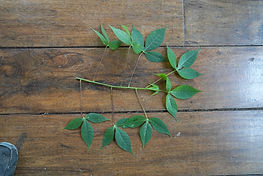
Taruga Lumu
Manihot brachiloba
Euphorbiaceae

Taruga papaya
Vasconcellesa microcarpa
Caricaceae

Tsimbiu
Witheringia solanacea
Solanaceae