
IYARINA
Napo-Pastaza, Ecuador
CENTER FOR LEARNING ALLIANCE: Fundación Cotococha | Andes and Amazon Field School | Shayarina Amazonian Resilience

In beginning times plants like animals were human and still retain these qualities hidden in leafy form. They are thus no less animate, no less closely related to us than say a spider monkey might be. One reason that we don't notice this is that their sleep cycle is opposite our own. Trees and other plants sleep during the day and come awake at night when we are dreaming. It is for this reason that they appear active and humanlike in dreams. For example, when sick person ingests medicinal bark it triggers a healing relation to the tree that only becomes visible at night. That night, when the tree wakes up, it comes to the patient in a dream as a human doctor come to treat her ailment.

Allyan Pasu

Chunda

Manduru

Kwica Panga
Plants Finder

Carica papaya
Caricaceae

Citrus sp.
Rutaceae

Kati muyu ruya
Dendropanax sp.
Araliaceae

Posoqueria loretensis
Rubiaceae

Chimarrhis sp.
Rubiaceae

Ruizodendron ovale
Annonaceae

Clidemia allardii
Melastomataceae
Coussapoa tessmannii
Urticaceae
Urku pinchi
Ocotea sp.
Lauraceae

Awa uksha
Geonoma longepedunculata
Arecaceae

Besleria barclayi
Gesneriaceae

Uritu wachansi
Capidatum sp.

Cupania cinerea
Sapindaceae

Ficus sp.
Moraceae

Monstera obliqua
Araceae

Piper florencianum
Piperaceae
Dioclea sp.
Fabaceae

Connarus sp.
Connaraceae

Erythroxylum coca var. ipadu
Erythroxylaceae

Psychotria zeballosii
Rubiaceae

Sapu waska
Banisteriopsis muricata
Malpighiaceae

Piper marsupiiferum
Piperaceae

Banara grandiflora
Salicaceae
Pilingas pakay
Inga sp.
Fabaceae

Acalypha macrostachya
Euphorbiaceae

Chuchu Sisa
Besleria barbata
Gesneriaceae

Atun kruz kaspi
Macrolobium angustifolium
Fabaceae
Iryanthera elliptica
Myristicaceae
Turu pasu
Couroupita sp.
Lecythidaceae

Bactris fissifrons
Arecaceae

Goeppertia sanderiana
Marantaceae

Staphylea occidentalis
Staphyleaceae

Yaku wapa
Iryanthera juruensis
Myristicaceae

Siparuna sp.
Siparunaceae
Turu kwika panga
Cyclanthus sp.
Cyclanthaceae
Pamba manduru kaspi
Rinorea sp.
Violaceae

Kuina pakai
Inga capitata
Fabaceae

Vismia macrophylla
Hypericaceae

Guatteria boliviana
Annonaceae

Pleurothyrium parviflorum
Lauraceae
Chichiku pakay
Calliandra guildingii
Fabaceae

Casearia sp.
Salicaceae

Matisia sp.
Malvaceae

Vitex orinocensis
Lamiaceae

Wawa Mama Kuwan
Heliconia aemygdiana
Heliconiaceae
Renealmia thyrsoidea
Zingiberaceae

Protium sp.
Burseraceae
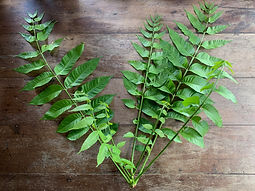
Tapirira peckoltiana
Anacardiaceae

Parinari occidentalis
Chrysobalanaceae

Piper reticulatum
Piperaceae
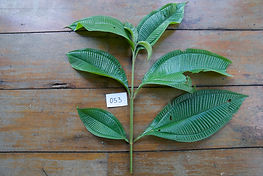
Miconia sp.
Melastomataceae
Miconia laevigata
Melastomataceae

Piper sp.
Piperaceae
Pentagonia parvifolia
Rubiaceae

Ruprechtia tangarana
Polygonaceae

Brownea sp.
Fabaceae

Pilea sp.
Urticaceae

Helicostylis tomentosa
Moraceae

Calathea wallisii
Marantaceae

Pseudolmedia sp.
Rubiaceae

Casearia pitumba
Salicaceae

Paullinia sp.
Sapindaceae

Passiflora coccinea
Passifloraceae

Sabicea villosa
Rubiaceae
Palapanga kara kaspi
Unonopsis magnifolia
Annonaceae

Isla kauchu ruya
Sapium marmieri
Euphorbiaceae
Macuna elliptica
Fabaceae
Solanum pectinatum
Solanaceae
Huertea glandulosa
Staphyleaceae

Cheiloclinium klugii
Celastraceae