top of page

The Social Relation to Plants

IMG_6181.jpeg

In beginning times plants like animals were human and still retain these qualities hidden in leafy form. They are thus no less animate, no less closely related to us than say a spider monkey might be. One reason that we don't notice this is that their sleep cycle is opposite our own. Trees and other plants sleep during the day and come awake at night when we are dreaming. It is for this reason that they appear active and humanlike in dreams. For example, when sick person ingests medicinal bark it triggers a healing relation to the tree that only becomes visible at night. That night, when the tree wakes up, it comes to the patient in a dream as a human doctor come to treat her ailment.

Eschweilera longifolia 1.png

Allyan Pasu

367. Arecaceae Bactris gasipaes (1).jpeg

Chunda

370. Bixaceae Bixa orellana (1).jpeg

Manduru

073 Acanthaceae Fittonia albivenis.jpeg

Kwica Panga

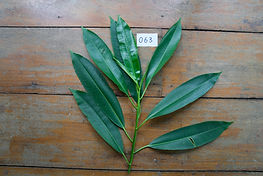
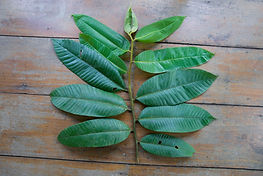
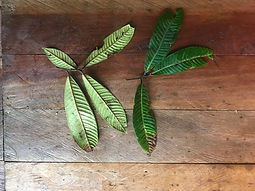
Plants Finder

Yawar panga / Machora panga

Columnea ericae

Gesneriaceae

Goeppertia ecuadoriana

Marantaceae

Costus scaber

Costaceae

Naucleopsis concinna

Lauraceae

Telitoxicum sp

Menispermaceae

Inga chartacea

Fabaceae

Casearia prunifolia

Salicaceae

Rollinia pittieri

Annonaceae

Philodendron ornatum

Araceae

Arachis pintoi

Fabaceae

Gloeospermum sp

Violaceae

Nephelium lappaceum

Sapindaceae

Columnea ineaquilatera

Gesneriaceae

Atun siku papa

Quararibea sp

Malvaceae

Protium nodulosum

Burseraceae

Chuku chuku kambi

Theobroma speciosum

Malvaceae

Piper conejoense

Piperaceae

Citrus sp 2

Rutaceae

Chimarrhis sp

Rubiaceae

Coussapoa tessmannii

Urticaceae

Besleria barclayi

Gesneriaceae

Ficus sp 4

Moraceae

Dioclea sp

Fabaceae

Psychotria zeballosii

Rubiaceae

Yawati Kaspi / Ambi Iluchi

Abuta grandifolia

Menispermaceae

Senna georgica

Fabaceae

Piper scutilimbum

Piperaceae

Rhodostemonodaphne kunthiana

Lauraceae

Piper sp 25

Piperaceae

Ruyak kara kaspi

Anaxagorea sp

Annonaceae

Solanum quitoense

Solanaceae

Pentagonia sp

Rubiaceae

Alchorneopsis floribunda

Euphorbiaceae

Buchenavia sericantha

Combretaceae

Piper Sp 15

Piperaceae

Anpelocera edentula

Ulmaceae

Alibertia patinoi

Rubiaceae

Casearia sp 3

Salicaceae

Sacha misapu ruya

Leptobalanus granvillei

Chrysobalanaceae

Pseudolmedia macrophylla

Moraceae

Cytrus sp

Rutaceae

Kati muyu ruya

Dendropanax sp 2

Araliaceae

Ruizodendron ovale

Annonaceae

Urku pinchi

Ocotea sp 6

Lauraceae

Uritu wachansi

capidatum

Monstera obliqua

Araceae

Connarus sp

Connaraceae

Maieta guianensis

Melastomataceae

Protium sp 5

Burseraceae

Chingana kaspi

Psychotria sp 8

Rubiaceae

Sapium glandulosum

Euphorbiaceae

Eriotheca globosa

Malvaceae

Dioscorea trifida

Dioscoraceae

Virola sp 2

Myristicaceae

Urku wapa

Virola multinervia

Myristicaceae

Begonia

Begoniaceae

Ruyak pumbuchi

Erisma uncinatum

Vochysiaceae

Calathea inocephala

Marantaceae

Stigmaphyllon sp

Malpighiaceae

Guatteria sp 2

Annonaceae

Costus erythrocoryne

Costaceae

Guacamaya Kuan

Heliconia stricta

Heliconiaceae

Turu ishpingu

Licaria triandra

Lauraceae

Carica papaya

Caricaceae

Posoqueria loretensis

Rubiaceae

Clidemia allardii

Melastomataceae

Agua ucsha

Geonoma longepedunculata

Arecaceae

Cupania cinerea

Sapindaceae

Piper florencianum

Piperaceae

Erythroxylum coca

Erythroxylaceae

CONTACT  US   
 

cotococha.ec@gmail.com 

480.276.5913

ANDES AND AMAZON FIELD SCHOOL

Sponsored by Title VI National Resource Centers at University of Wisconsin Madison, the University of Florida, Florida International University, the University of Pittsburgh, and Brigham Young University.

bottom of page