
IYARINA
Napo-Pastaza, Ecuador
CENTER FOR LEARNING ALLIANCE: Fundación Cotococha | Andes and Amazon Field School | Shayarina Amazonian Resilience

In beginning times plants like animals were human and still retain these qualities hidden in leafy form. They are thus no less animate, no less closely related to us than say a spider monkey might be. One reason that we don't notice this is that their sleep cycle is opposite our own. Trees and other plants sleep during the day and come awake at night when we are dreaming. It is for this reason that they appear active and humanlike in dreams. For example, when sick person ingests medicinal bark it triggers a healing relation to the tree that only becomes visible at night. That night, when the tree wakes up, it comes to the patient in a dream as a human doctor come to treat her ailment.

Allyan Pasu

Chunda

Manduru

Kwica Panga
Plants Finder

Cordia ucayalensis
Boraginaceae

Pamba wapa / Yawar wapa
Otoba parvifolia
Myristicaceae

Palapanga apiu
Diploon cuspidatum
Sapotaceae

Mabea macbridei
Euphorbiaceae

Viria kaspi ruya
Chrysochlamys micrantha
Clusiaceae

Pilea sp.
Urticaceae

Api pinchi
Nectandra parvifolia
Lauraceae

Piper sp.
Piperaceae
Neosprucea montana
Salicaceae
Ichilla nigru kaspi
Eugenia sp.
Myrtaceae

Kushillu talarta
Parkia nitida
Fabaceae

Urku yuyun
Terminalia grandis
Combretaceae

Andia wachansi
Mabea nítida
Euphorbiaceae

Clibadium sp.
Asteraceae

Garcinia madruno
Clusiaceae

Inga vera
Fabaceae
Neosprucea grandiflora
Salicaceae
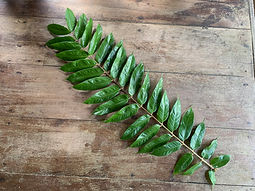
Brownea sp.
Fabaceae
Yaku mutilun
Coccoloba fallax
Polygonaceae
Myrcianthes sp.
Myrtaceae

Ocotea aciphylla
Lauraceae

Ñaccha kaspi
Apeiba aspera
Malvaceae

Asplundia sp.
Cyclanthaceae

Myrcia paivae
Myrtaceae

Schizolobium amazonicum
Fabaceae

Mikania sp.
Asteraceae

Clusia sp.
Clusiaceae

Kaupanga shilquillu
Protium aracouchini
Burseraceae
Kawina kaspi
Coussarea pilosiflora
Rubiaceae

Angu illuchi
Strychnos panurensis
Loganiaceae

Satalana
Dendropanax caucanus
Araliaceae
Virola Surinamense
Myristicaceae

Machaerium sp.
Fabaceae
Passiflora misera
Passifloraceae
Atun wituk kaspi
Coccoloba sp.
Polygonaceae
Laiña
Tetrorchidium macrophyllum
Euphorbiaceae

Supitiana
Sorocea pubivena
Moraceae

Clidemia sp.
Melastomataceae

Kaupanga uvillas
Coussapoa villosa
Urticaceae
Palicourea sp.
Rubiaceae
Triplaris americana
Polygonaceae

Bambusa sp.
Poaceae

Dendropanax arboreus
Araliaceae
Shirapa kaspi
Palicourea conferta
Rubiaceae

Sara muyu ruya
Rinorea viridifolia
Violaceae

Ocotea sp.
Lauraceae

Cybianthus amazonica
Primulaceae

Licania sp.
Chrysobalanaceae

Aphelandra sp.
Acanthaceae

Urku mindal
Calycophyllum megistocaulum
Rubiaceae

Columnea nicaraguensis
Gesneriaceae

Ichilla siku papa
Matisia malacocalyx
Malvaceae
Ruyak panga wapa
Virola peruviana
Myristicaceae
Chulla changa ruya
Clusia sp
Clusiaceae

Matayba macrocarpa
Sapindaceae
Clusia sp.
Clusiaceae

Chimarrhis hookeri
Rubiaceae

Nigru kaspi muyu
Eugenia schunkei
Myrtaceae

Api kara kaspi
Anaxagorea brevipes
Annonaceae

Gurania lobata
Cucurbitaceae

Casearia prunifera
Salicaceae

Cymbopogon citratus
Poaceae
Sacha tukuta
Trichilia sp.
Meliaceae

Piper sp.
Piperaceae

Chukula kaspi
Theobroma gileri
Malvaceae

Erythroxylum sp.
Erythroxylaceae

Vismia minutiflora
Hypericaceae

Piper sp.
Piperaceae

Pourouma guianensis
Urticaceae

Piper sp.
Piperaceae