
IYARINA
Napo-Pastaza, Ecuador
CENTER FOR LEARNING ALLIANCE: Fundación Cotococha | Andes and Amazon Field School | Shayarina Amazonian Resilience

In beginning times plants like animals were human and still retain these qualities hidden in leafy form. They are thus no less animate, no less closely related to us than say a spider monkey might be. One reason that we don't notice this is that their sleep cycle is opposite our own. Trees and other plants sleep during the day and come awake at night when we are dreaming. It is for this reason that they appear active and humanlike in dreams. For example, when sick person ingests medicinal bark it triggers a healing relation to the tree that only becomes visible at night. That night, when the tree wakes up, it comes to the patient in a dream as a human doctor come to treat her ailment.

Allyan Pasu

Chunda

Manduru

Kwica Panga
Plants Finder
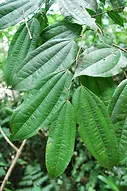
Lunania parviflora
Salicaceae

Ichilla kruz kaspi
Brownea grandiceps
Fabaceae

Pseudolmedia sp.
Rubiaceae

Chirumanch (Shuar)
Begonia rossmanniae
Begoniaceae

Pouteria sp.
Sapotaceae

Begonia glabra
Begoniaceae
Cul panga

Guatteria megalophylla
Annonaceae

Mollia lepidota
Malvaceae
Calycophyllum spruceanum
Rubiaceae

Hasseltia floribunda
Salicaceae
Pleuranthodendron lindenii
Salicaceae

Coccoloba densifrons
Polygonaceae

Palicourea elata
Rubiaceae

Xylopia cuspidata
Annonaceae
Uchu wallis
Pseudolmedia sp.
Moraceae

Pouteria cladantha
Sapotaceae

Costus lasius
Costaceae

Heteropterys sp.
Malpighiaceae

Urku tukuta
Trichilia micrantha
Meliaceae
Pamba kara kaspi
Cremastosperma sp.
Annonaceae

Ñañu panga kara kaspi
Oxandra xylopioides
Annonaceae
Solanum sessiliflorum
Solanaceae

Anthurium sp.
Araceae

Pseudolmedia sp.
Rubiaceae

Annona sp.
Annonaceae

Meliosma kunthii
Sabiaceae

Otoba sp.
Myristicaceae

Piwi
Piptocoma discolor
Asteraceae

Desmodium adscendens
Fabaceae

Marcgravia sp.
Marcgraviaceae

Piper sp.
Piperaceae

Senna sp.
Fabaceae

Pourouma minor
Urticaceae

Pseudolmedia sp.
Rubiaceae
Oplismenus sp.
Poaceae

Anthurium sp.
Araceae
Llambu panga wapa
Virola divergens
Myristicaceae

Ecclinusa lanceolata
Sapotaceae

Paullinia alata
Sapindaceae

Sasi Kuwan, LIiki tulan (N)
Heliconia chartacea
Heliconiaceae

Brosimum utile
Moraceae

Passiflora sp.
Passifloraceae
Dalechampia sp.
Euphorbiaceae

Arrabidaea bracteosa
Bignoniaceae
Caballu kaspi
Stylogyne serpentina
Primulaceae

Palta
Persea americana
Lauraceae

Philodendron sp.
Araceae

Guarea ecuadoriensis
Meliaceae

Ficus benjamina
Moraceae
Entada polyphylla
Fabaceae

Palicourea guianensis
Rubiaceae

Sloanea guianensis
Elaeocarpaceae

Urku Kuwan
Heliconia wagneriana
Heliconiaceae

Mendoncia glabra
Acanthaceae

Anthurium clavigerum
Araceae

Notopleura polyphlebia
Rubiaceae
Shitik panga pinchi
Ocotea cuneifolia
Lauraceae
Ichilla tzuna ruya
Allophylus floribundus
Sapindaceae

Prestonia sp.
Apocynaceae
Oplismenus sp.
Poaceae

Hevea sp.
Euphorbiaceae

Patas / Kila yura
Theobroma bicolor
Malvaceae

Solanum sp.
Solanaceae

Allpa uksha
Geonoma brongniartii
Arecaceae
Gloeospermum equatoriense
Violaceae

Paullinia sp.
Sapindaceae
Rumi pinchi
Rhodostemonodaphne sp.
Lauraceae
Hygrophila guianensis
Acanthaceae

Guagra chiri kaspi
Eugenia egensis
Myrtaceae