
IYARINA
Napo-Pastaza, Ecuador
CENTER FOR LEARNING ALLIANCE: Fundación Cotococha | Andes and Amazon Field School | Shayarina Amazonian Resilience

In beginning times plants like animals were human and still retain these qualities hidden in leafy form. They are thus no less animate, no less closely related to us than say a spider monkey might be. One reason that we don't notice this is that their sleep cycle is opposite our own. Trees and other plants sleep during the day and come awake at night when we are dreaming. It is for this reason that they appear active and humanlike in dreams. For example, when sick person ingests medicinal bark it triggers a healing relation to the tree that only becomes visible at night. That night, when the tree wakes up, it comes to the patient in a dream as a human doctor come to treat her ailment.

Allyan Pasu
.jpeg)
Chunda
.jpeg)
Manduru

Kwica Panga
Plants Finder

Heisteria acuminata
Olacaceae

Abuta pahnii
Menispermaceae

Forcelia sp
Annonaceae

Pilea sp 4
Urticaceae

Ischnosiphon obliquus
Marantaceae

Lindackeria paludosa
Achariaceae

Aphelandra martiusii
Acanthaceae

Philodendron tripartitum
Araceae
Shimbi
Bactris sp
Arecaceae
Matayba sp
Sapindaceae

Palicourea sp 4
Rubiaceae
Hippotis brevipes
Rubiaceae

Macrolobium microcalyx
Fabaceae

Adelobotrys intonsa
Melastomataceae

Faramea glandulosa
Rubiaceae
Casearia mariquitensis
Salicaceae

Cedrelinga cateniformis
Fabaceae
Casearia javitensis
Salicaceae

Lumucha panga
Calathea sp 3
Marantaceae

Sacha sindi ruya
Protium sagotianum
Burseraceae

Calathea sp
Marantaceae

Inga tenuistipula
Fabaceae

Clidemia dentata
Melastomataceae
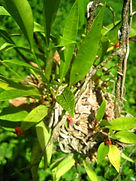
Anthurium gracile
Araceae

Turu shilquillu
Protium puncticulatum
Burseraceae

Gouania lupuloides
Rhamnaceae

Anthurium-gladiifolium
Araceae
Wira muyu ruya
Siparuna sp 2
Siparunaceae
Bactris hirta
Arecaceae

Sacha guayusa kaspi
Ryania speciosa
Salicaceae

Sapindaceae paullinia
Sapindaceae
Pamba pinchi
Nectandra gracilis
Lauraceae

Yaku sacha muyu wallis
Perebea xanthochyma
Moraceae

Barisa pakai
Inga ciliata
Fabaceae

Lupanchi
Vismia baccifera
Hypericaceae
Erythrina amazonica
Fabaceae

Palicourea tomentosa
Rubiaceae
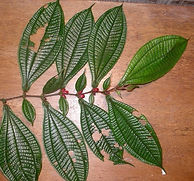
Clidemia septuplinervia
Melastomataceae

Gonzalagunia sp
Rubiaceae

Urera baccifera
Urticaceae
Strychnos darienensis
Loganiaceae
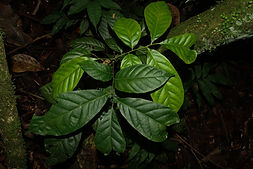
Guarea sp 2
Meliaceae

Licania canescens
Chrysobalanaceae

Pamba likuachi
Mouriri grandiflora
Melastomataceae
Lianchame
setiflora

Ocotea quixos
Lauraceae

Cordia sp
Boraginaceae

Llambu Wallis
Pseudolmedia laevigata
Moraceae
Loreya collatata
Melastomataceae
Allia pundu
Dendropanax sp
Araliaceae

Cybianthus quinilla
Primulaceae

Piper Sp 5
Piperaceae

Piper Sp 17
Piperaceae
Souroubea sp
Marcgraviaceae
Atamba
Cecropia sp 4
Urticaceae

Piper Sp 22
Piperaceae
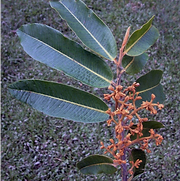
Turu wapa
Virola duckei
Myristicaceae

Hippotis albiflora
Rubiaceae

Pleurothyrium panurense
Lauraceae

Urku wawalpa
Mollinedia ovata
Monimiaceae

Neea floribunda
Nyctaginaceae

Hyospathe elegans
Arecaceae

Guarea kunthiana
Meliaceae

Tovomita spruceana
Clusiaceae

Tapirira guianensis
Anacardiaceae

Irshbaceae alata
Gentianiaceae

Aphelandra aurantiaca
Acanthaceae

Crepidospermum prancei
Burseraceae

Pourouma sp 2
Urticaceae

Guatteria olivacea
Annonaceae