top of page

The Social Relation to Plants

IMG_6181.jpeg

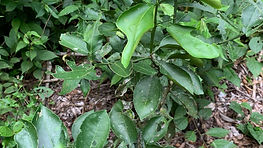
In beginning times plants like animals were human and still retain these qualities hidden in leafy form. They are thus no less animate, no less closely related to us than say a spider monkey might be. One reason that we don't notice this is that their sleep cycle is opposite our own. Trees and other plants sleep during the day and come awake at night when we are dreaming. It is for this reason that they appear active and humanlike in dreams. For example, when sick person ingests medicinal bark it triggers a healing relation to the tree that only becomes visible at night. That night, when the tree wakes up, it comes to the patient in a dream as a human doctor come to treat her ailment.

Eschweilera longifolia 1.png

Allyan Pasu

367. Arecaceae Bactris gasipaes (1).jpeg

Chunda

370. Bixaceae Bixa orellana (1).jpeg

Manduru

073 Acanthaceae Fittonia albivenis.jpeg

Kwica Panga

Plants Finder

Cecropia sciadophylla

Urticaceae

Coussarea brevicaulis

Rubiaceae

Perebea sp

Moraceae

Sacha shalipu
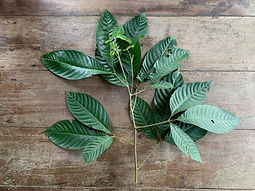
Picramnia spruceana

Picramniaceae

Cyphomandra obliqua

Solanaceae

Arachis hypogaea

Fabaceae

Helicostylis scabra

Moraceae

Carpotroche longifolia

Achariaceae

Solanum thelopodium

Solanaceae

Paradrymonia 2 sp

Gesneriaceae

Piper Sp 12

Piperaceae

Piper sp 27

Piperaceae

Psychotria sp 5

Rubiaceae

Virola pavonis

Myristicaceae

Ñañu panga pinchi

Nectandra sp

Lauraceae

Passiflora telesiphe

Passifloraceae

Guapira sp

Nyctaginaceae

Lunania parviflora

Salicaceae

Chirumanch (Shuar)

Begonia rossmanniae

Begoniaceae

Cul panga

Calycophyllum spruceanum

Rubiaceae

Coccoloba densifrons

Polygonaceae

Uchu wallis

Pseudolmedia sp 3

Moraceae

Heteropterys sp

Malpighiaceae

Chrysophyllum prieurii

Sapotaceae

Solanum sp

Solanaceae

Intachi

Pentagonia macrophylla

Rubiaceae

Dundu

Cecropia angustifolia

Urticaceae

Pouteria durlandii

Sapotaceae

Passiflora foetida

Passifloraceae

Dendrobangia boliviana

Metteniusaceae

Dussia tessmannii

Fabaceae

Cyathea sp

Cyatheaceae

Senna macrophylla

Fabaceae

Goeppertia gandersii

Marantaceae

Annona deminuta

Annonaceae

Maripa llewelinii

Convolvulaceae

Solanum eminens

Solanaceae

Calyptranthes sp

Myrtaceae

Inga sp 12

Fabaceae

Shutupi panga

Heliconia impudica

Heliconiaceae

Ichilla kruz kaspi

Brownea grandiceps

Fabaceae

Pouteria sp 2

Sapotaceae

Guatteria megalophylla

Annonaceae

Hasselthia floribunda

Salicaceae

Palicourea elata

Rubiaceae

Pouteria cladantha

Sapotaceae

Ichilla wituk kaspi

Pouteria sp

Sapotaceae

Heliconia sp

Heliconiaceae

Vitex sp

Lamiaceae

Monopyle Macrocarpa

Gesneriaceae

Antzilu kara kaspi

Xylopia multiflora

Annonaceae

Licaria macrophylla

Lauraceae

Micropholis guianensis

Sapotaceae

Rapatea sp

Rapataceae

Brunfelsia pauciflora

Solanaceae

Allophylus arborea

Sapindaceae

Trophis caucana

Moraceae

Pamba tzicta

Prestonia quinquangularis

Apocynaceae

Renealmia alpinia

Zingiberaceae

Guagra pilansu

Erythroxylum macrophyllum

Erythroxylaceae

Piper Sp 14

Piperaceae

Licaria cannella

Lauraceae

Tetrathylacium macrophyllum

Salicaceae

Psychotria sp 1

Rubiaceae

Begonia glabra

Begoniaceae

Mollia lepidota

Malvaceae

Pleuranthodendron lindenii

Salicaceae

Xylopia cuspidata

Annonaceae

Costus lasius

Costaceae

CONTACT  US   
 

cotococha.ec@gmail.com 

480.276.5913

ANDES AND AMAZON FIELD SCHOOL

Sponsored by Title VI National Resource Centers at University of Wisconsin Madison, the University of Florida, Florida International University, the University of Pittsburgh, and Brigham Young University.

bottom of page